LIVE
0

Lotus HyperOS

Client: Lotus Category: HMI Services: UX | UI | Design | Animation

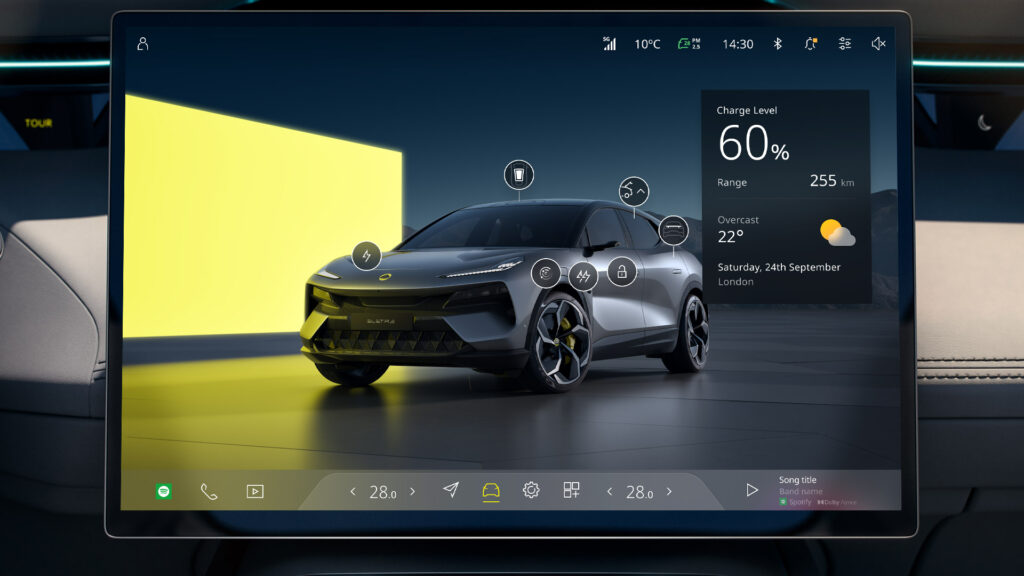
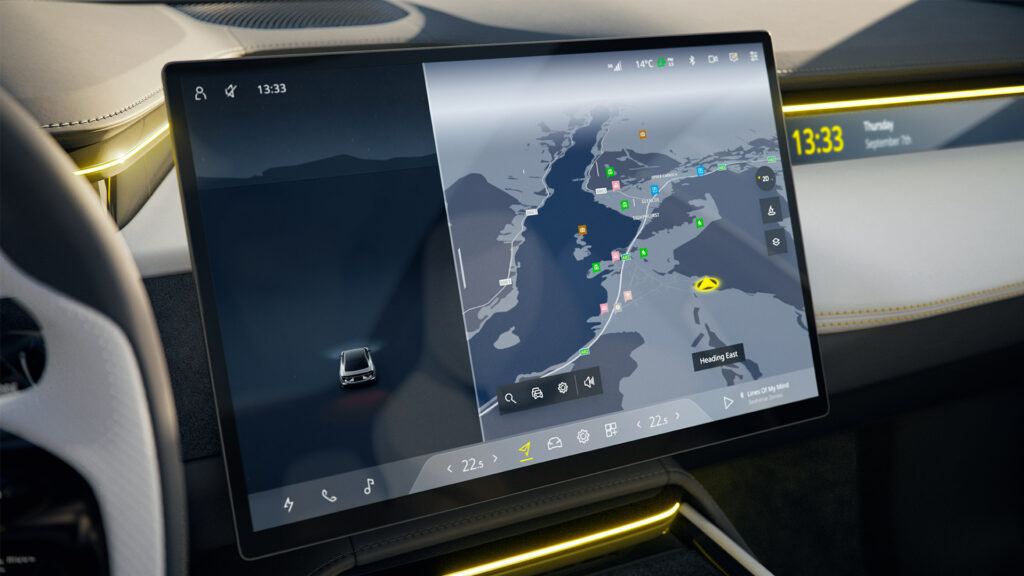
A bespoke, next-generation infotainment system crafted for the Lotus Eletre - marking the brand’s first electric vehicle and redefining the future of digital performance.

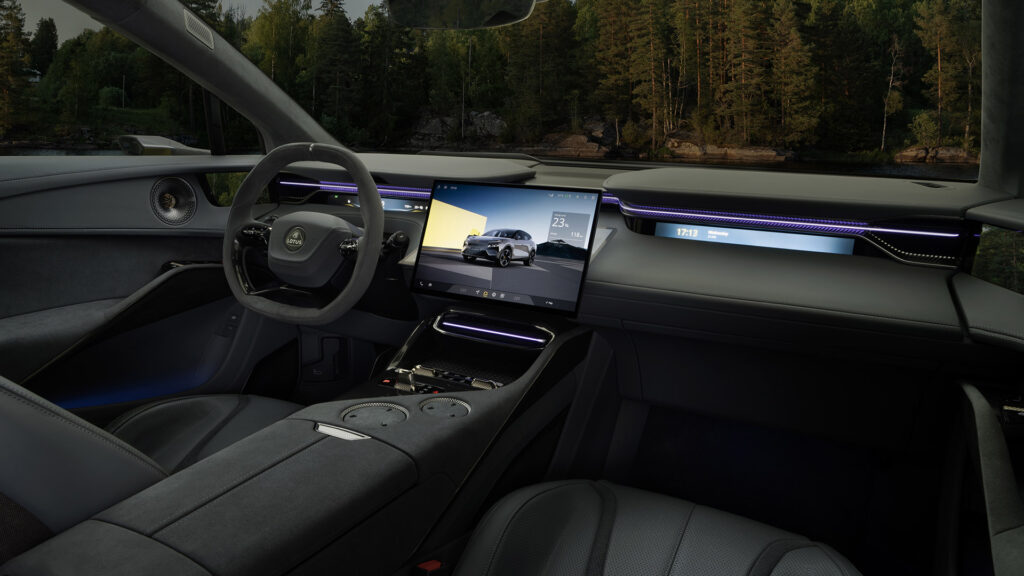
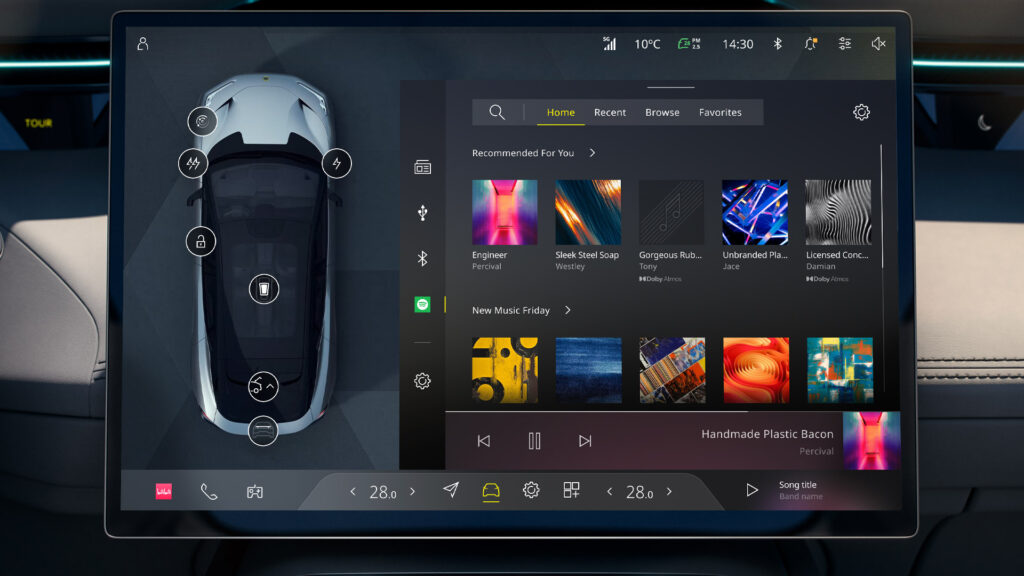
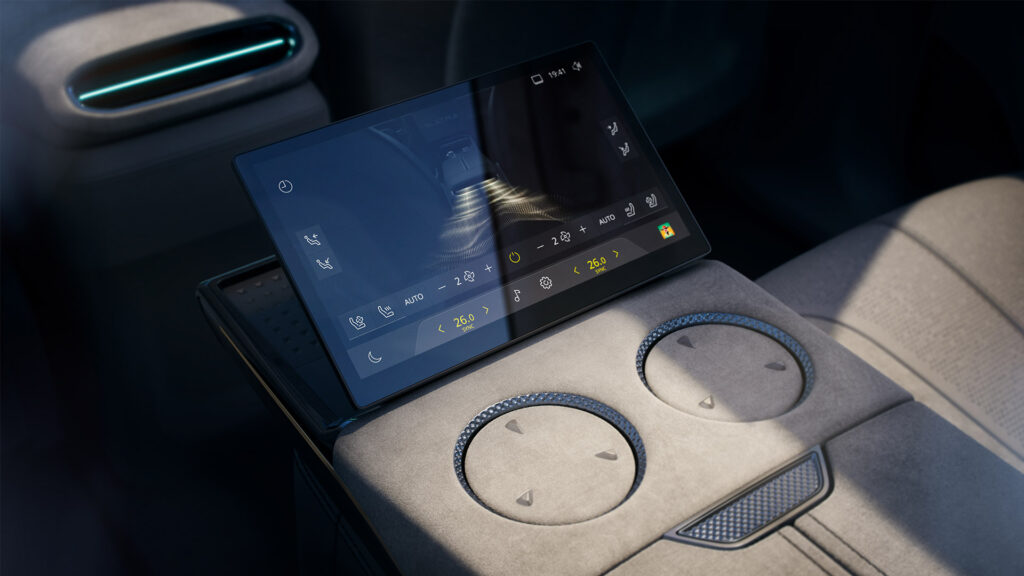
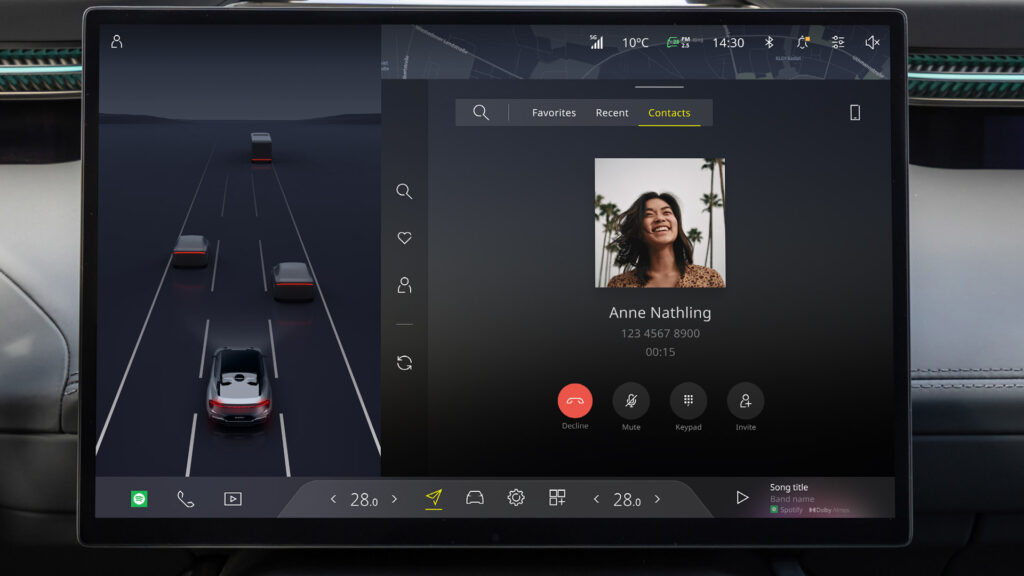
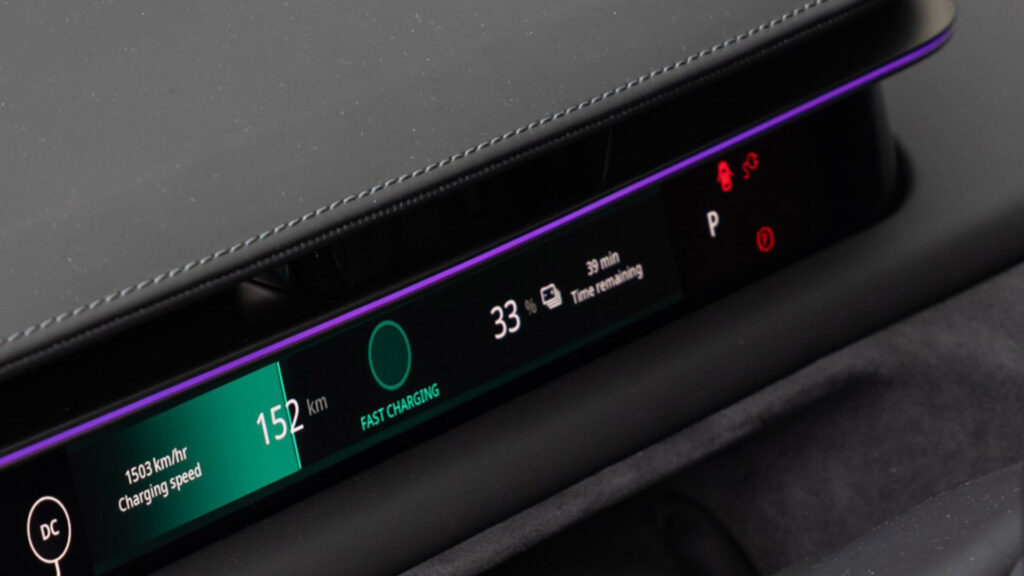
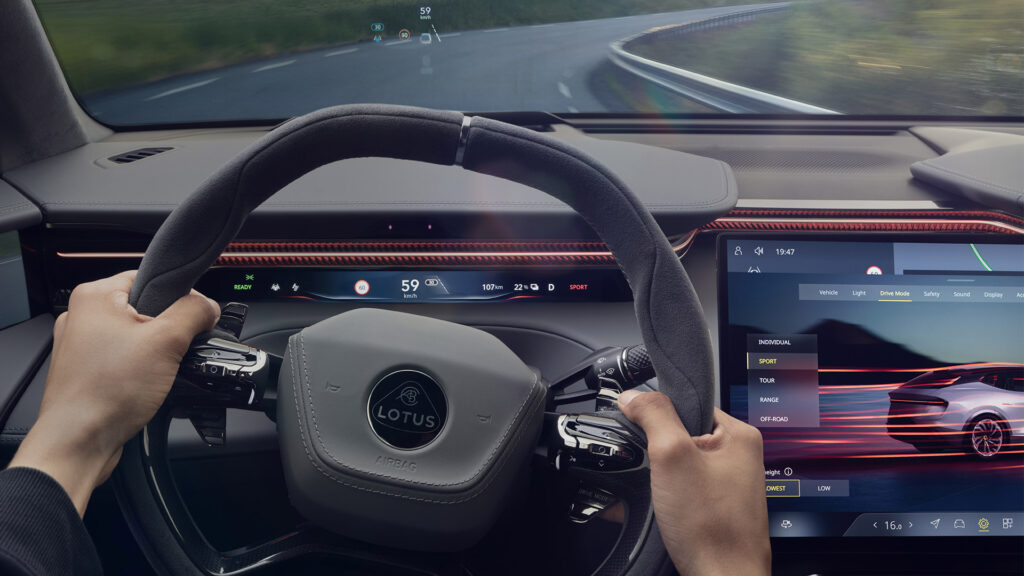
Featuring a 15.1” OLED central touchscreen, two super-slim TFT displays for driver and passenger, plus a 10.1” rear screen, Hyper OS was the first infotainment system developed for Lotus. As Design Lead, I oversaw the creative direction from ideation through to implementation.

Built using Unreal Engine and powered by the most advanced processing chip available at the time, we created a unique, human-centric HMI that embodied the brand’s core values of being lightweight, premium, and sophisticated. More than just a system, Hyper OS established the foundation for Lotus’s digital ecosystem — forming the backbone of the brand’s future across multiple touchpoints.

The UI won the 2023 iF Design Award, while the overall Hyper OS received the SMARTBEST Award in 2024 and contributed to Lotus’s Red Dot Award win the same year.

iF Design Awards 2023

Lotus HyperOS UI

Red Dot Winner 2024

Product Design - Eletre and Emeya

CarWow Awards 2024

Brand of the Year

AutoBest Award 2024

HyperOS UX/UI
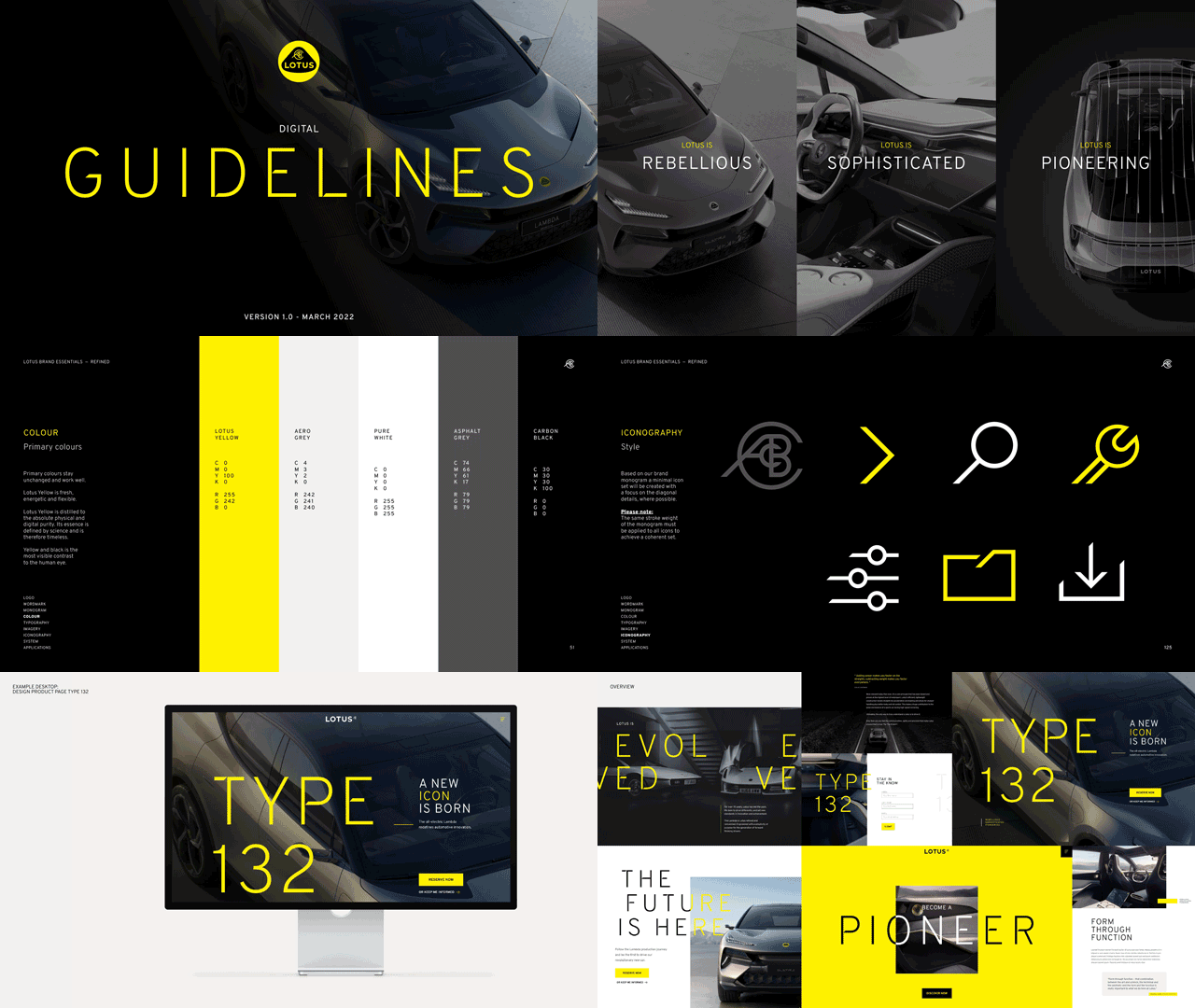
Brand Guidelines

The move to full electrification marked a major transformation and redefinition of the Lotus brand. At the start of the project, there was no existing infotainment system to build upon - giving us complete freedom to explore new ideas. With only early brand guidelines, the website, and the car configurator as reference points, we were able to shape a digital experience from the ground up.

Screen Harmony

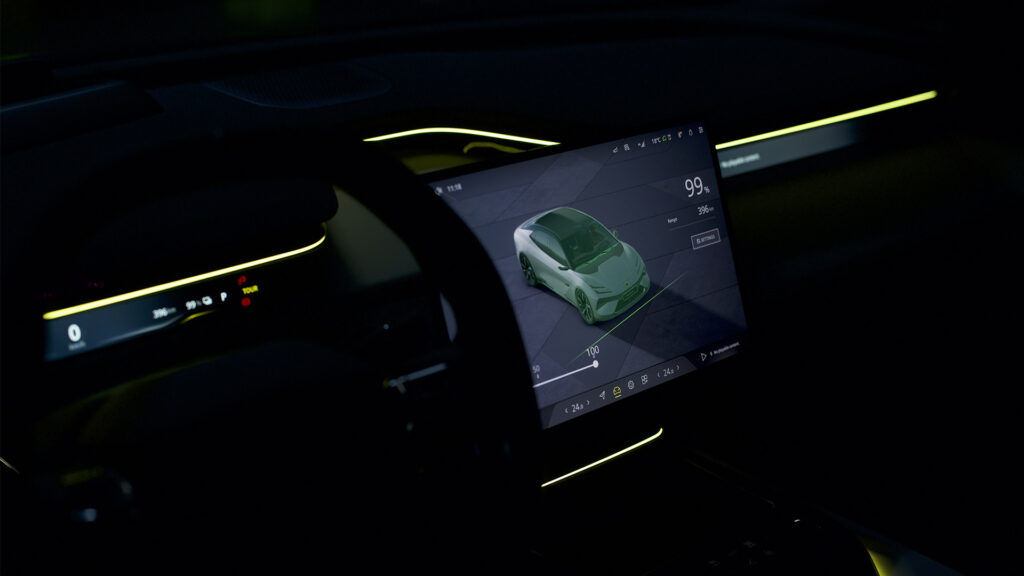
From the outset, it was imperative to design a system that worked in harmony with the entire in-cabin experience. We took a holistic approach - ensuring seamless integration of all screens while considering the driving context, and designing adaptive interfaces that shifted effortlessly between Day and Night modes.

Design System

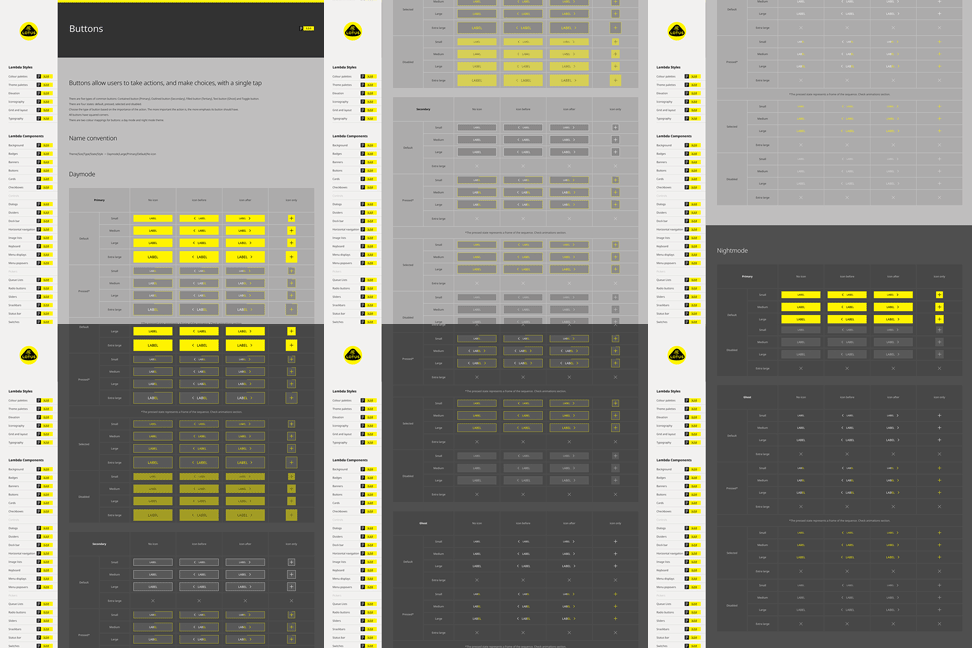
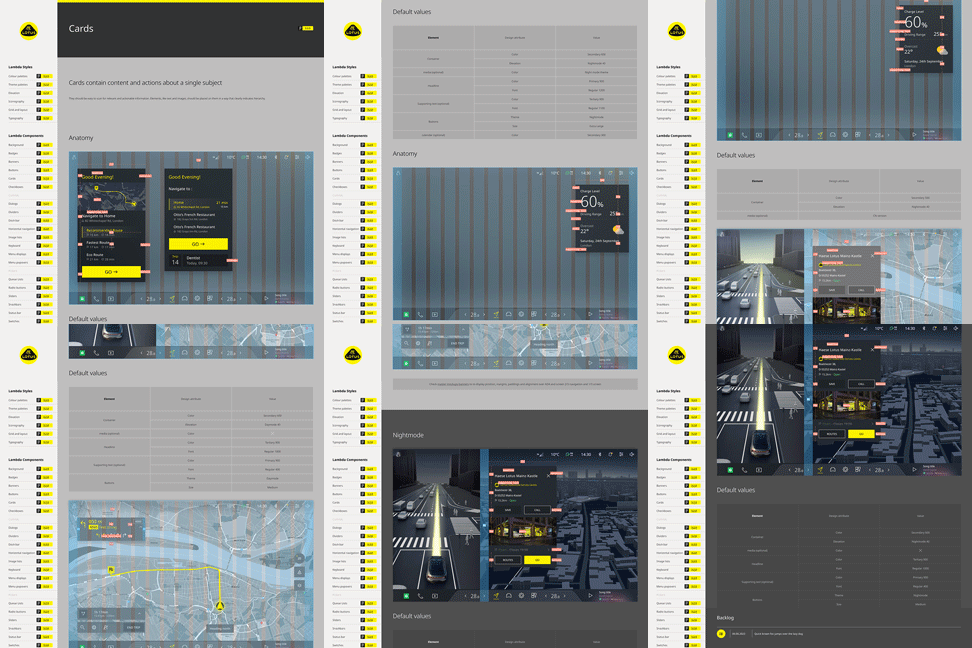
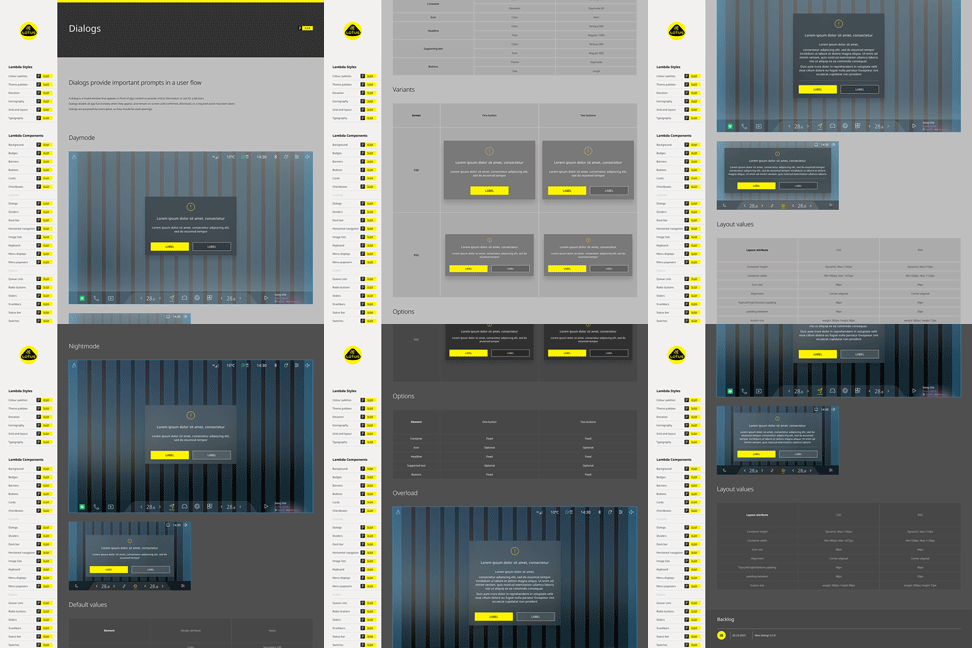
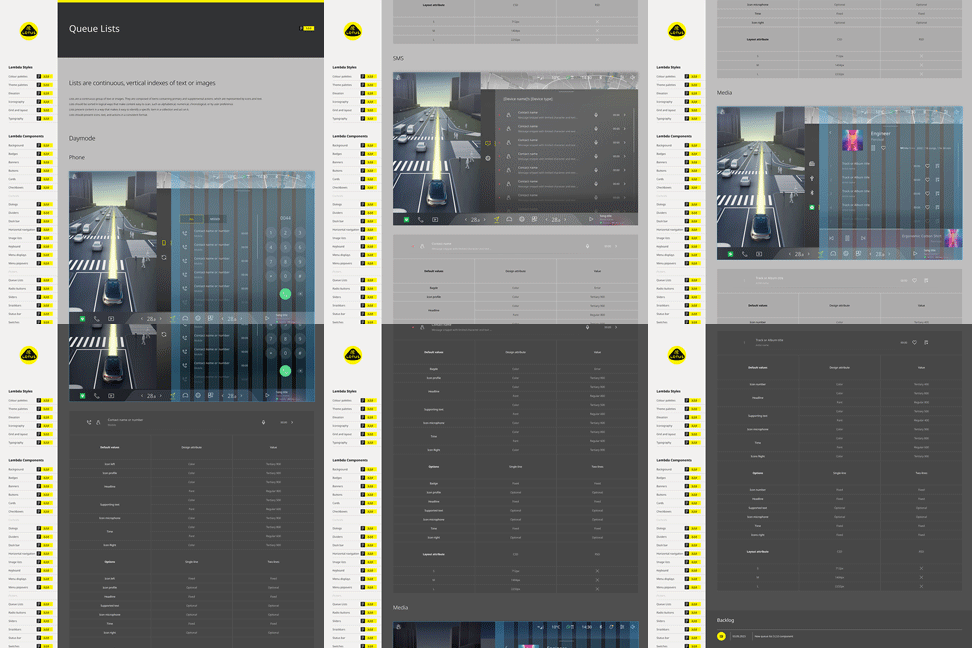
To future-proof Lotus’s digital ecosystem, we created a fully-fledged Design System from scratch, featuring reusable components, standardized interaction patterns, and scalable design tokens. This allowed designers and developers to work in sync across the Hyper OS launch, OTA updates, and the Lotus Emeya rollout the following year.
Design System Manager: Ignasi Boza

Iconography

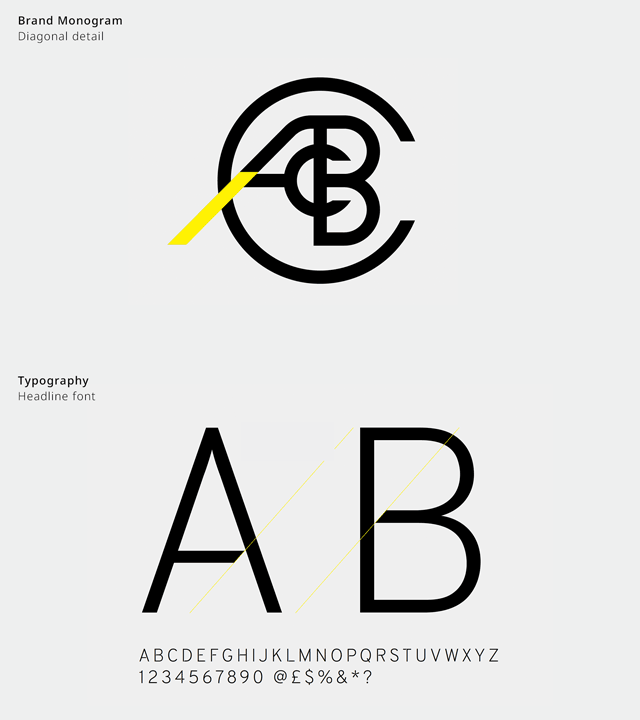
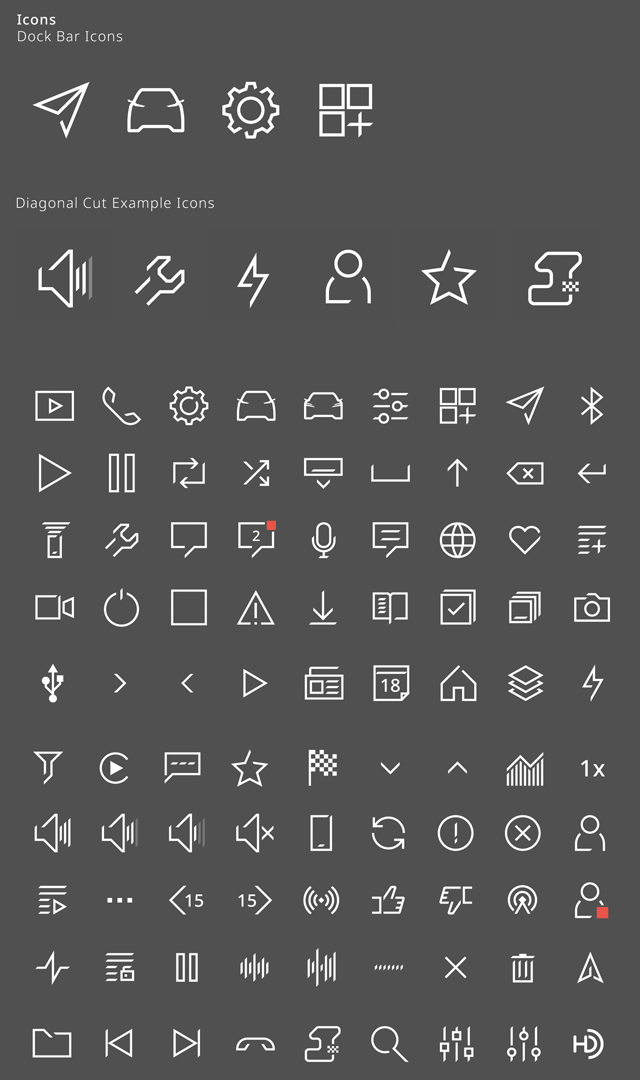
Inspired by the diagonal detail of the brand monogram and the precision ‘cut’ of the bespoke typeface, we created an extensive icon set that became the foundation of the Hyper OS UI language and later informed the visual direction for all digital touchpoints across the brand.
Lead Designer: Mariusz Ostrowski

Unreal Engine

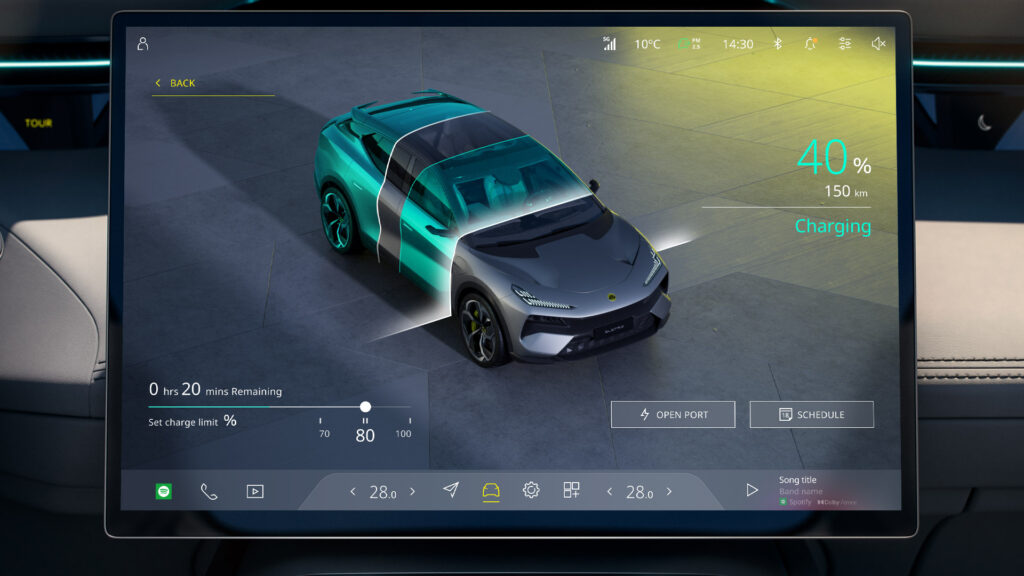
Powered by Unreal Engine, the core of Hyper OS featured a fully interactive 3D vehicle model rendered in real time. It visualised live telemetry from the car, while also dynamically adapting to various drive modes to show suspension changes, power distribution, and aerodynamic airflow around the vehicle.
Design Intent shown above, Motion Designer: Ross McLeish

Unrealised Design Intent

Some features were fully developed by the UI team but not implemented in the initial release, with plans for inclusion in future OTA updates. Among these were an abstract visualisation of the KEF sound system and a point-cloud display for the LiDAR sensors - designed to express environmental awareness and object proximity through dynamic colour and spatial feedback.
Motion Designers: Ross McLeish and Henri Collet

Early Abstract Concept Exploration

An example of early ideation for an on-brand, fully abstract animation for the settings page, here showing a looping plane representing seconds on a clock. On the right, the animation translates into an abstracted form of the car model, though for the software only the final frame was implemented.
Motion Designers: Ross McLeish and Henri Collet

Have a project you’d like to discuss?

Thanks for your message. I will get back to you soon.

Please get in touch using the form below:

    Submit